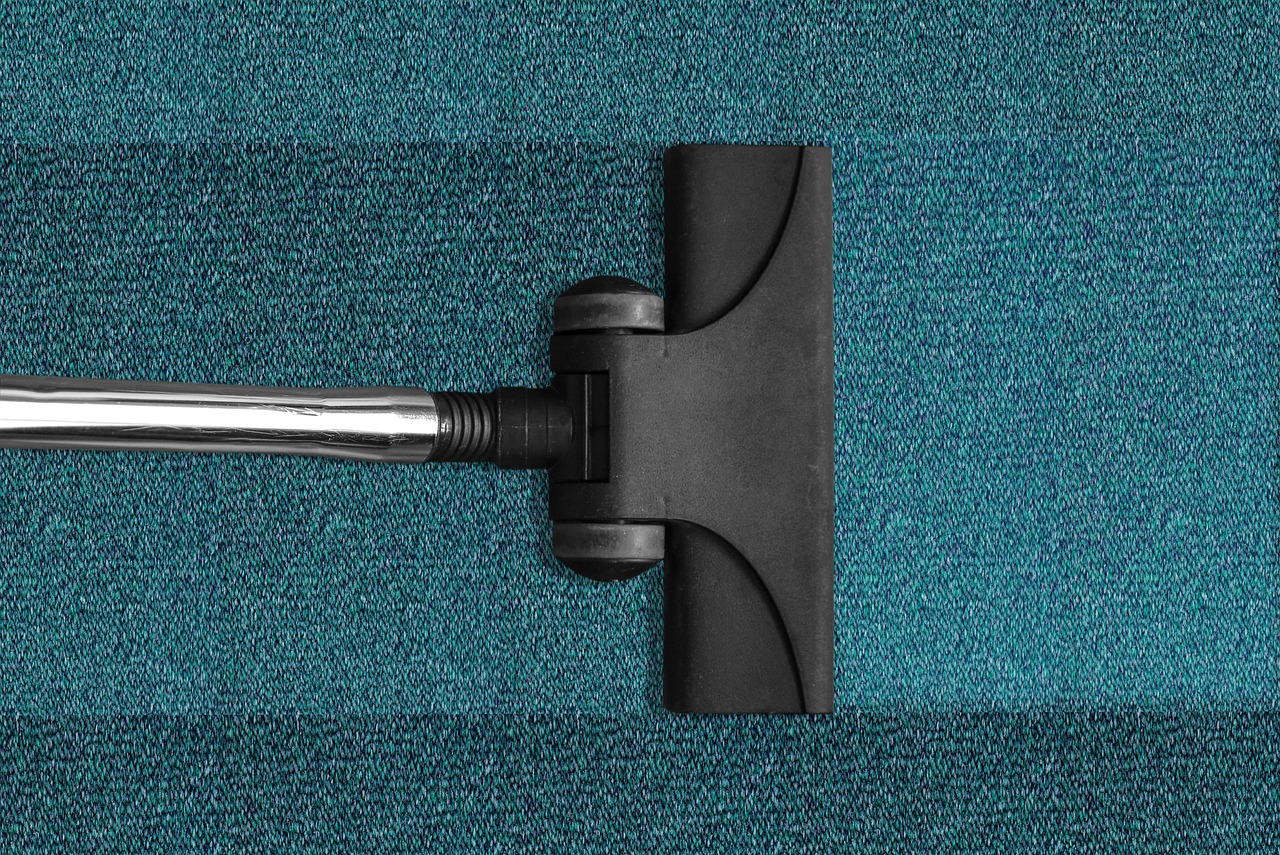
Water Cleanup
Water pulled from tile, carpet and wood floors and from under baseboards, day or night.
View service (602) 878-5475
Many North Phoenix homes have copper water lines running under or through the concrete slab. After decades of hard water, pinhole leaks can open where you cannot see them, and the first sign is often a warm spot on the tile.
North Phoenix Water Damage is a free referral service, not a restoration company. Calls are answered by independent local providers who set their own prices.
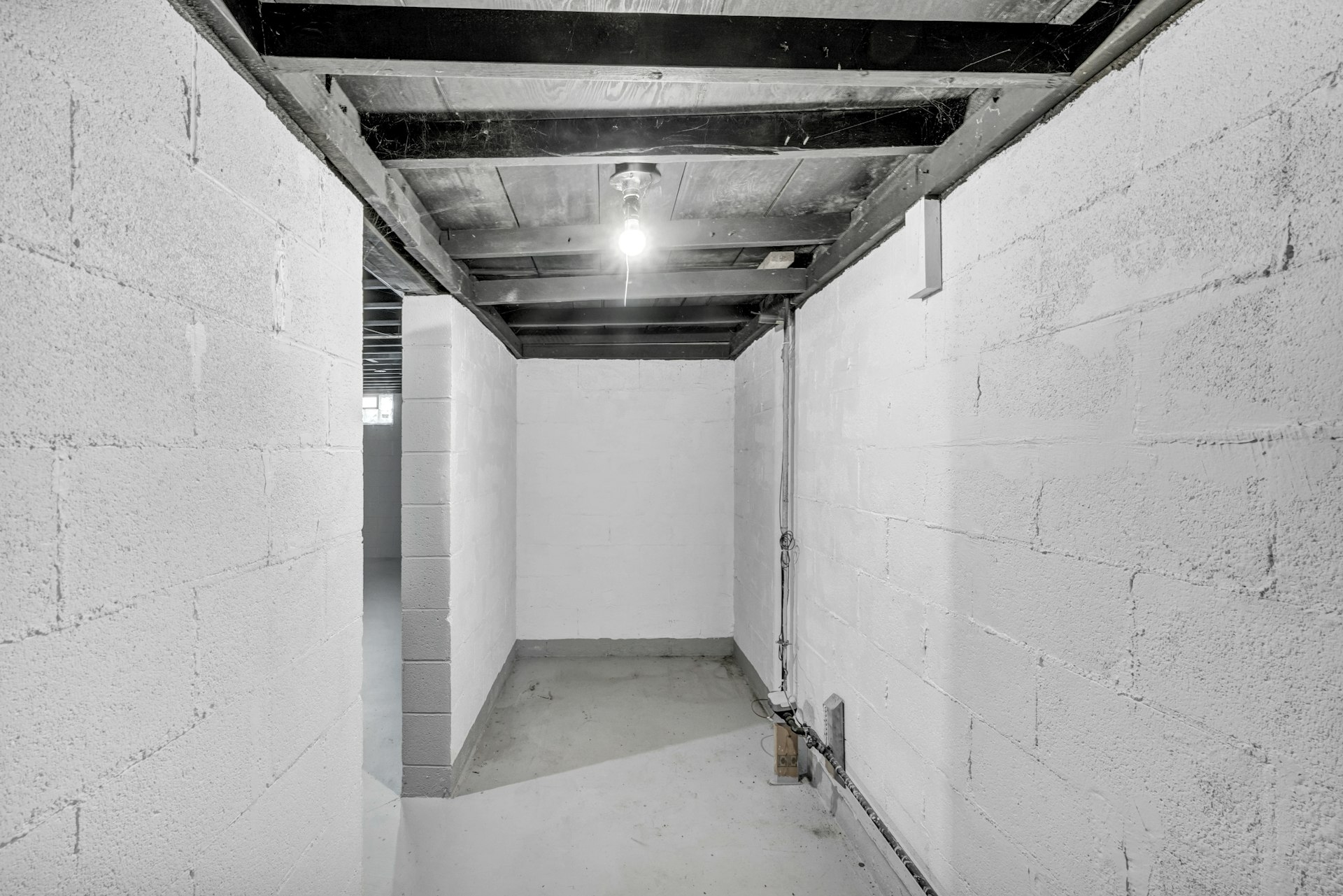
Slab leak cleanup in North Phoenix means a plumber finds and repairs or reroutes the leaking line under the slab, and a restoration company removes water that spread under flooring, dries baseboards, drywall, cabinets and the slab itself, and checks readings until everything is dry.
A slab leak is a leak in a water line under or within the concrete foundation. Hot water lines leak most often, because heat and pressure stress the pipe. Water from the leak spreads under tile, laminate and carpet, wicks into baseboards and drywall, and soaks cabinet bases. Cleanup starts once the plumber has stopped the leak: the restoration company maps where the water went, removes wet baseboards and carpet pad, drills small holes in grout lines or lifts boards where needed, and dries the floor system with air movers and dehumidifiers while taking daily readings.
A plumber pinpoints the leak with pressure tests and listening equipment.
The line is fixed through the slab or rerouted overhead.
Wet baseboards, pad and drywall edges removed; water extracted.
Air pushed under flooring and dehumidifiers run until readings match.
A warm patch on tile, often in a hallway or kitchen.
Hiss or rush with every fixture off.
Leak indicator spins with no water in use.
Wet carpet edges or dark grout with no source.
A jump with no change in habits.
Water on the floor right now? Call (602) 878-5475 for a local provider.Open 24/7 · Talk to a local provider in North Phoenix
Call 24/7 (602) 878-5475Hard water leaves mineral deposits and speeds wear inside copper. Hot water lines expand and contract each time they are used, rubbing against concrete or gravel. Poor installation in some tracts, such as pipe touching rebar or bent too tightly, created weak spots. Soil movement can also stress lines. Homes from the 1980s through the 2000s are now at the age when many copper slab lines start to fail.
If your home still has polybutylene pipe, those lines can fail under the slab as well.
Do a ten-minute meter test once or twice a year: turn off every fixture, the irrigation and the pool fill, then watch the small leak indicator on the meter. If it moves, call a plumber before damage shows.
The leak has to be stopped before drying can finish. Many plumbers now reroute hot water lines through the attic or walls instead of breaking the slab, which is faster and avoids more floor damage. Once the line is fixed, drying starts right away; ask the restoration provider and plumber to coordinate.
Ceiling dripping from upstairs? Talk it through on the phone.Open 24/7 · Talk to a local provider in North Phoenix
Call 24/7 (602) 878-5475
Readings across floors and walls show the wet area.
Baseboards and pad removed where wet.
Air pushed under tile or boards.
Readings logged until dry.
Gray plastic pipes and a wet wall? Ask about polybutylene leaks.Open 24/7 · Talk to a local provider in North Phoenix
Call 24/7 (602) 878-5475| Option | How | Trade-off |
|---|---|---|
| Spot repair through slab | Concrete opened at the leak | Fast; floor patch needed; other leaks may follow |
| Reroute | New line run through walls or attic | No floor opening; small wall patches |
| Repipe | All supply lines replaced | Highest cost, lasting fix |
| Epoxy lining | Pipe coated from inside | Works only in some cases |
| Factor | Why it matters | What to ask on the call |
|---|---|---|
| Area affected | Rooms, floors and ceilings that got wet | Which areas are wet? |
| Water category | Clean, grey or sewage | Which category is this? |
| Materials removed | Baseboard, drywall, insulation, pad | What can dry in place? |
| Drying days | Days of equipment | How will readings be shared? |
| Flooring type | Tile, laminate or carpet | What can be dried in place? |
If water is visibly spreading, close the main valve and call (602) 878-5475. A local provider can start removal while you arrange a plumber.
Water on the floor right now? Call (602) 878-5475 for a local provider.Open 24/7 · Talk to a local provider in North Phoenix
Call 24/7 (602) 878-5475Do not keep running hot water to test a suspected slab leak; it adds water under the slab. Shut the water heater's cold supply if the hot line is leaking.
Before slab leak cleanup work in North Phoenix, ask for the company's Arizona Registrar of Contractors license number and check it with the Arizona ROC license lookup. Plumbing, roofing and HVAC repairs need ROC-licensed contractors in those trades. Ask whether the technicians hold IICRC certification, and ask for proof of liability insurance before anyone starts.
Slab leaks are a quieter cause of water damage restoration in North Phoenix: by the time you see them, water has usually been spreading for a while.
Ceiling dripping from upstairs? Talk it through on the phone.Open 24/7 · Talk to a local provider in North Phoenix
Call 24/7 (602) 878-5475Tile can often stay in place. Technicians drill small holes in grout lines and push dry air under the tile with special mats or panels, then dry the thinset and slab underneath. Loose or hollow-sounding tiles may need resetting after drying.
Kitchen and bath cabinets often sit on the slab where water spreads. Toe kicks can be removed and air blown underneath. MDF baseboards that swelled are replaced; wood baseboards can sometimes be dried and reused.
Many policies pay for the water damage and the cost to access the leak, such as breaking and patching tile, but not the pipe repair itself. Keep the plumber's report, photos and the restoration provider's daily readings together.
Gray plastic pipes and a wet wall? Ask about polybutylene leaks.Open 24/7 · Talk to a local provider in North Phoenix
Call 24/7 (602) 878-5475A second slab leak within a few years usually means the lines are failing broadly. Ask the plumber about a reroute or repipe instead of another spot repair.
Hot water lines expand and contract every time hot water runs, which rubs the pipe against concrete, gravel or rebar. Hot water also speeds corrosion. That is why most slab leaks in Phoenix are on the hot side and often show up as a warm patch of tile near the kitchen, a bathroom or the water heater.
Turn off every faucet, the washer, dishwasher, ice maker, irrigation and pool auto-fill. Find the meter box near the sidewalk, lift the lid carefully and watch the small leak indicator for a few minutes. If it moves, water is going somewhere. Close the main valve at the house; if the indicator stops, the leak is inside the house, possibly under the slab.
Water on the floor right now? Call (602) 878-5475 for a local provider.Open 24/7 · Talk to a local provider in North Phoenix
Call 24/7 (602) 878-5475Warm tile or a moving meter? Call a leak detection plumber, then (602) 878-5475 for drying the same day.
Slab leak drying usually runs for several days with air movers and dehumidifiers in hallways and kitchens. The units are loud and warm and add to the power bill, which some insurers reimburse. Keep the equipment running day and night, keep doors and windows closed unless told otherwise and keep pets away from cords. Ask the provider to show you each day's readings so you can see the floor drying out.
If the slab was opened, the plumber patches the concrete and the flooring is repaired after drying. Matching older tile can be hard; ask whether spare tiles are in the garage, or whether a border or transition can hide the patch.
Ceiling dripping from upstairs? Talk it through on the phone.Open 24/7 · Talk to a local provider in North Phoenix
Call 24/7 (602) 878-5475Find the leak precisely, choose a repair or reroute, and start drying as soon as the line is fixed. Daily readings decide when the floor is dry and repairs can begin.
Ask how they will dry under the tile or flooring, whether baseboards and cabinet toe kicks will come off, how many days they expect and how they will share daily readings. Ask whether they will coordinate with your plumber and bill your insurer directly.
Warm spots on tile, the sound of running water with everything off, a moving meter, damp carpet or swollen baseboards with no visible source and a jump in the water bill.
Leak detection pinpoints the spot first. Often the plumber reroutes the line through walls or the attic instead.
Usually three to six days; a slab soaked for weeks can take longer.
Many policies cover the water damage and sometimes access to the leak, but not the pipe repair itself. Ask your agent.
Water pulled from tile, carpet and wood floors and from under baseboards, day or night.
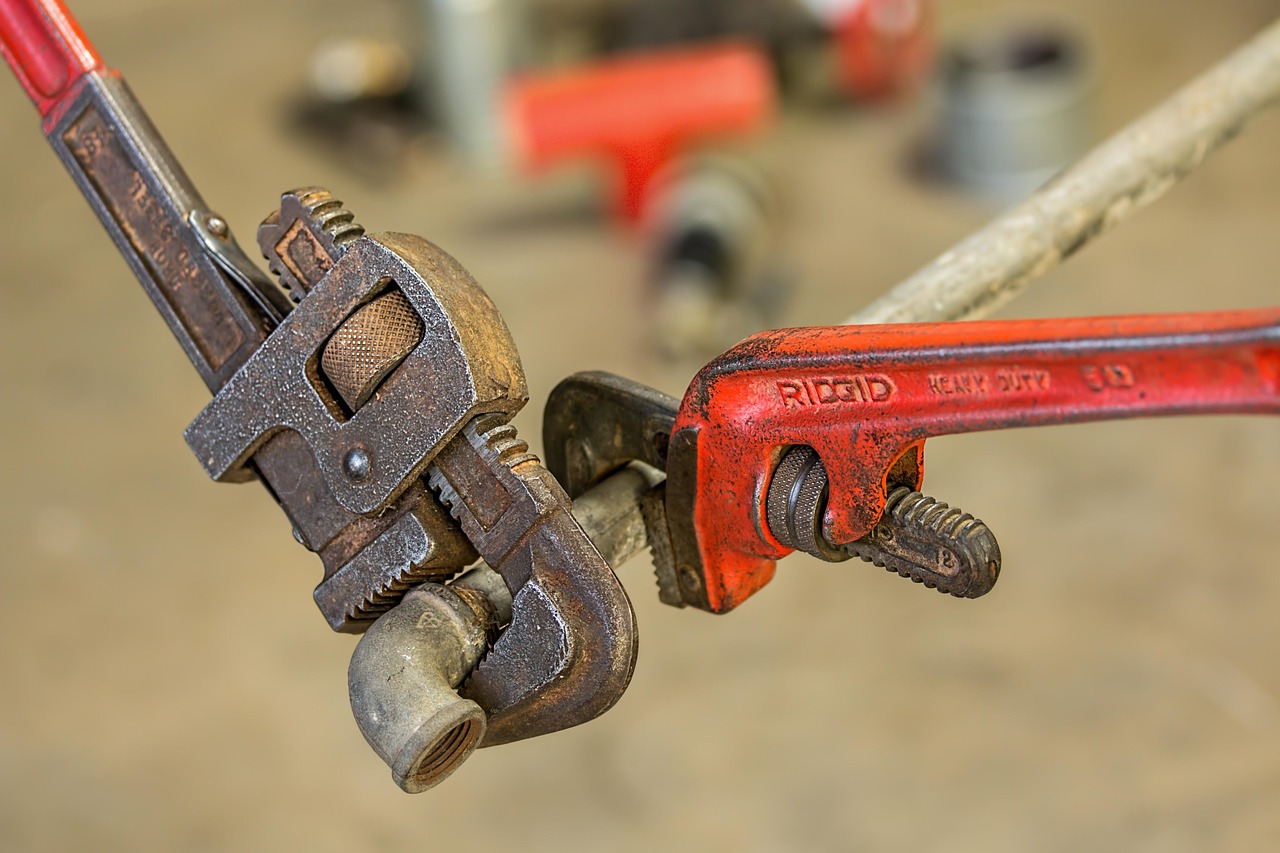
Leaks and bursts from gray plastic pipe in 1980s and early 90s homes cleaned up and dried.

Water from an upstairs bath, laundry or AC that came through the ceiling below.
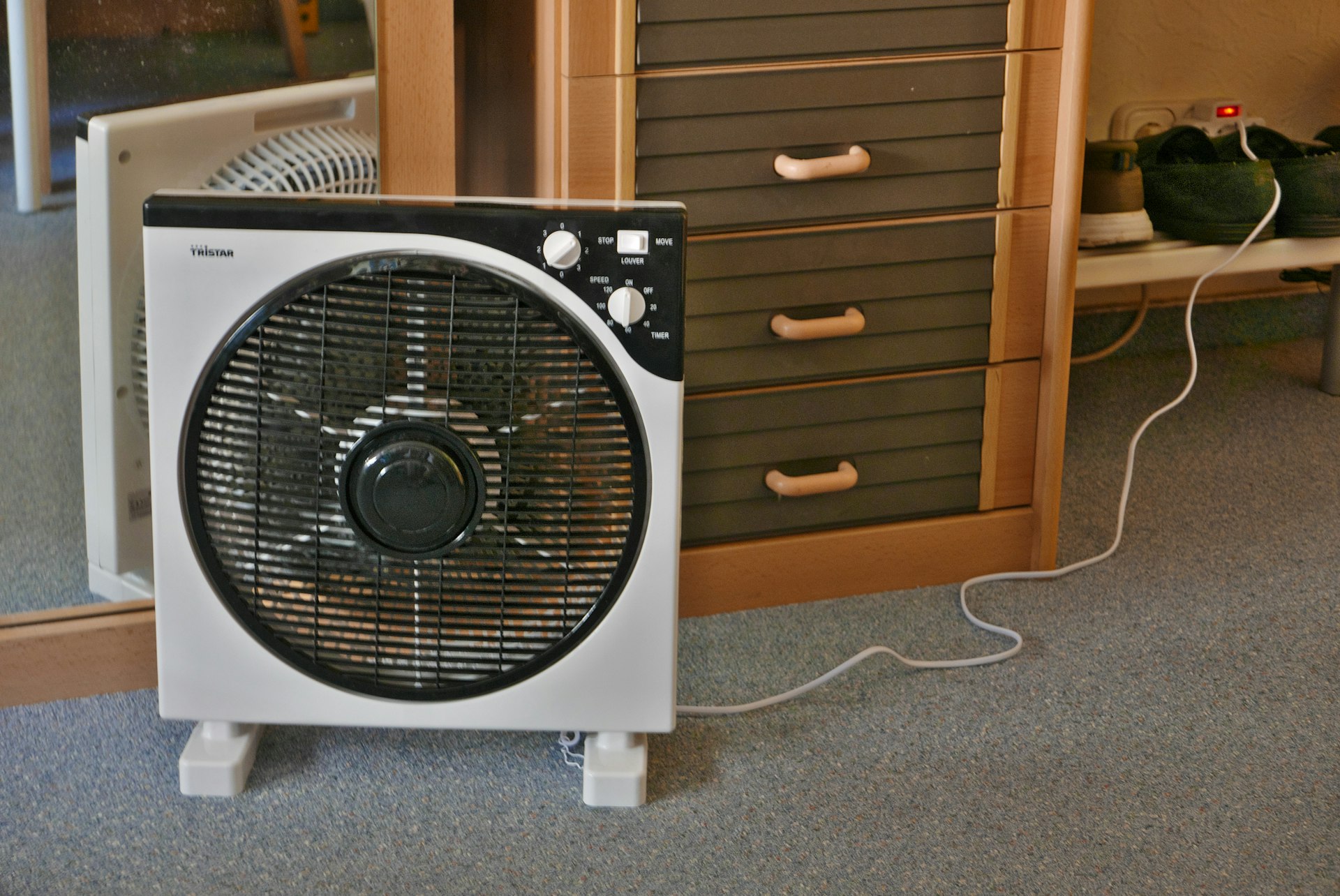
Overflowing air handler pans in attics and closets, and the wet ceilings they leave.
Roof leaks and runoff at doors after summer storms, dried and documented.
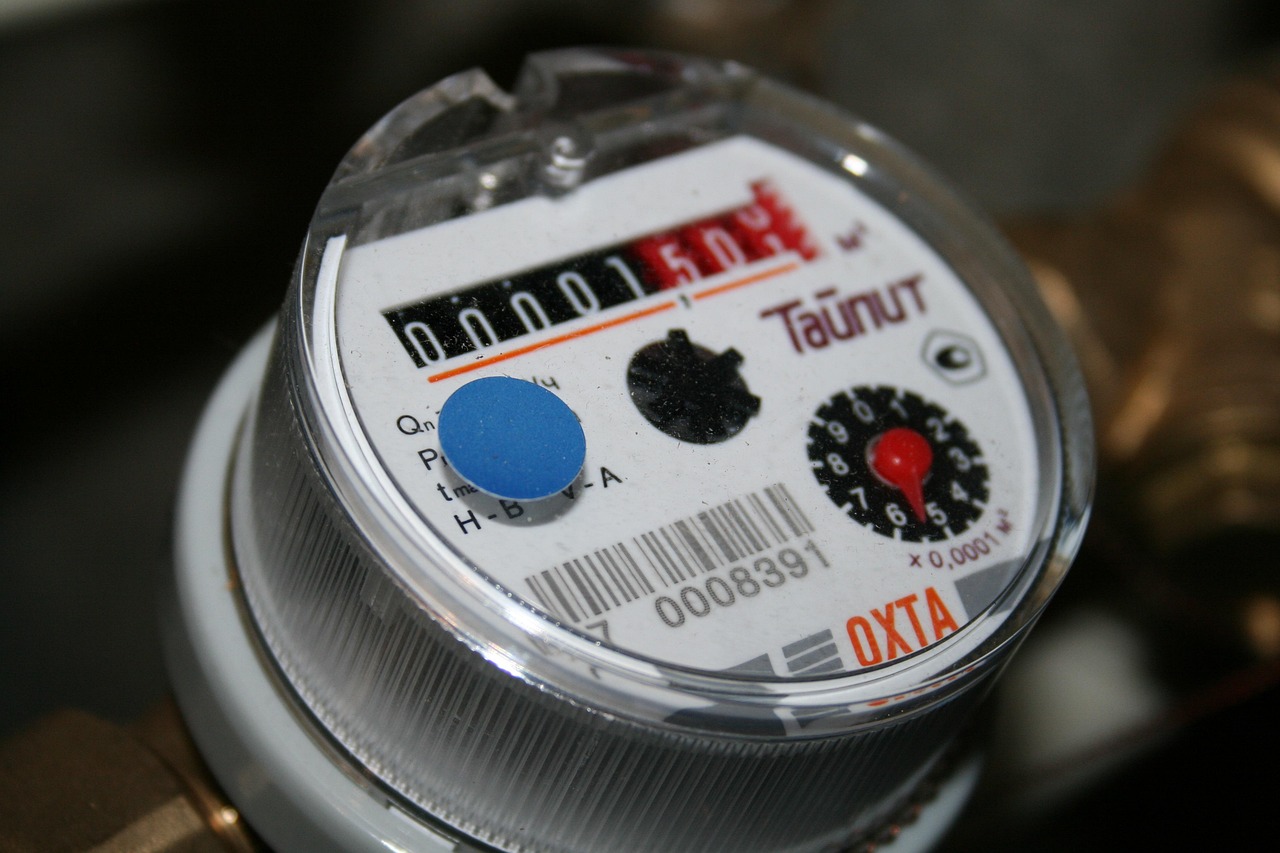
Mold after a hidden leak contained, removed and the moisture source fixed.



Representative photos of the kind of work local providers handle.
Talk to a local provider
One call connects you with an independent restoration company that works across North Phoenix. They explain the plan and how the price is set before anything starts.
(602) 878-5475